
Oscar-Winning Frankenstein brings Hollywood Spotlight to Angus and Dundee
Scenes for Guillermo del Toro’s film were shot at Hospitalfield House near Arbroath and Dundee linking the global production with the region’s connection to Frankenstein author, Mary Shelley.
Frankenstein - Oscars for Production & Costume Design
Frankenstein has become a major talking point at this year’s Academy Awards, with director Guillermo del Toro celebrating recognition for his visually stunning take on the classic story. As a horror film, Frankenstein achieving Oscar nominations is a significant accomplishment, as the horror genre is rarely recognised by the Academy. It was nominated for 9 awards including Best Picture, and Best Adapted Screenplay and succeeded in lifting the coveted prizes for Best Production Design, Best Makeup and Hairstyling, and Best Costume Design.
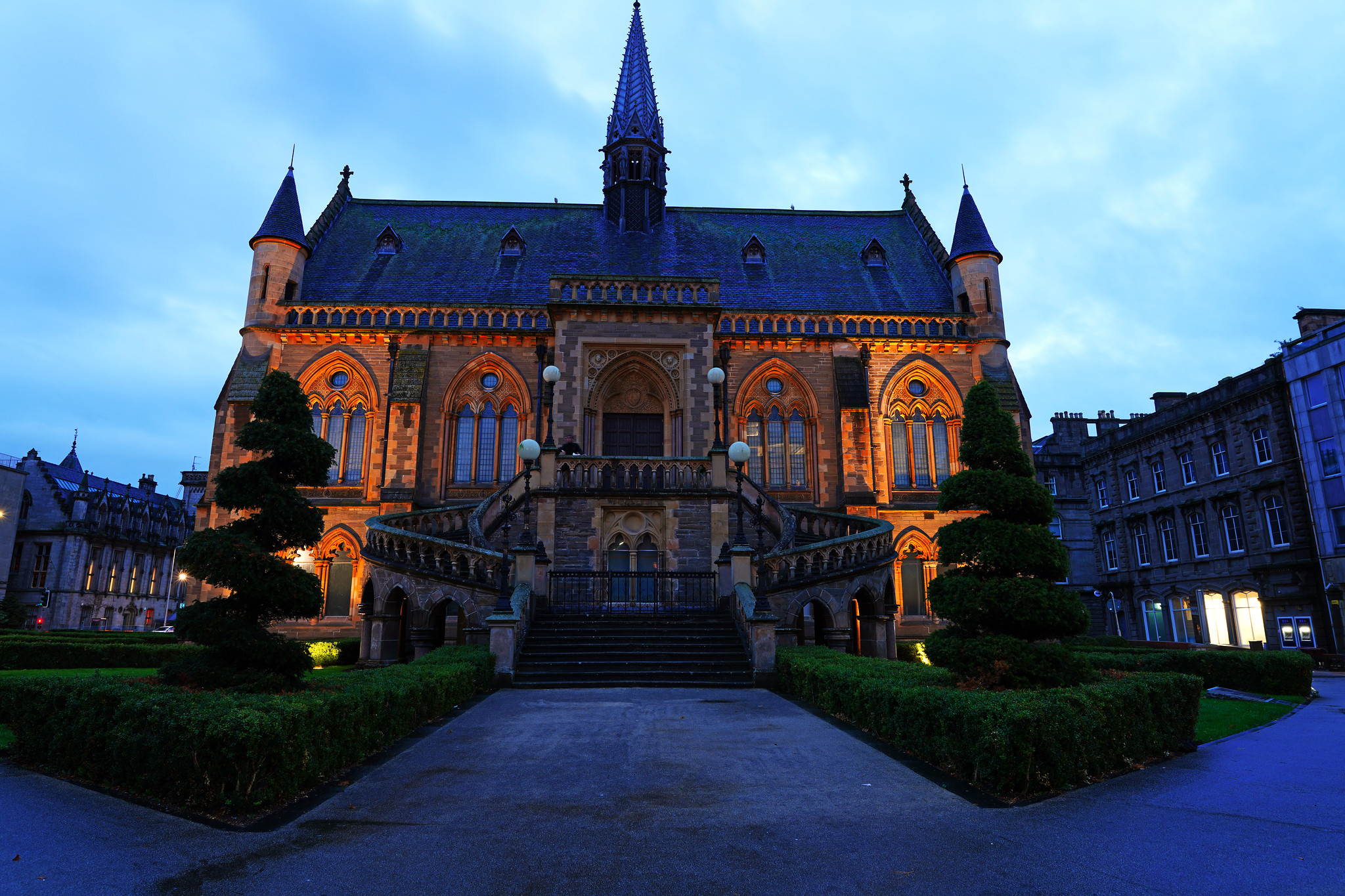
So that’s also a special celebration for Dundee, the UK's only UNESCO City of Design that has Curtain Call: Costumes from Stage and Screen at The McManus Gallery, itself a Gothic style film location in Dundee. The exhibition celebrates the craft of costume design across theatre, film and television, highlighting how wardrobe helps bring characters and stories to life.
The film received wide praise for its gothic atmosphere and detailed world-building, which reimagines Mary Shelley’s iconic tale with del Toro’s signature dark fantasy style. The nominations mark another milestone in del Toro’s career, reinforcing his reputation as one of modern cinema’s most distinctive storytellers and demonstrating how Frankenstein continues to inspire groundbreaking design and filmmaking nearly two centuries after the original novel was written.
Watch Netflix trailer
Filming on location in Angus
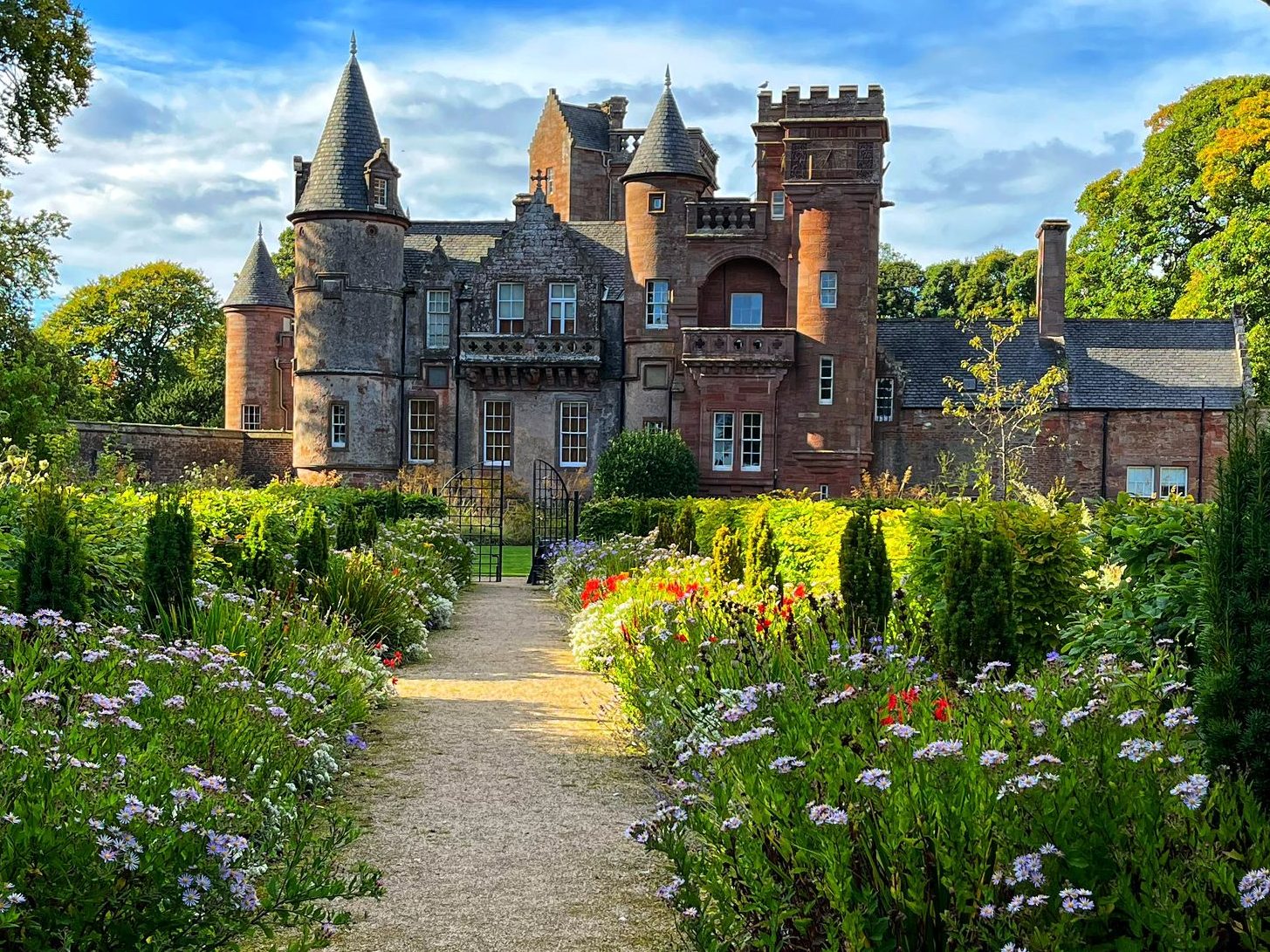
Filming for Frankenstein included location, Hospitalfield House, a historic 19th-century arts centre and mansion in Angus with roots going back to the 13th Century where it provided shelter for pilgrims and travellers visiting the nearby Arbroath Abbey.
The striking gothic architecture and atmospheric interiors of the building were used to create parts of Victor Frankenstein’s world, with the house providing a dramatic backdrop for scenes connected to the scientist’s work and life. Director Guillermo del Toro chose the location for its ornate rooms, period details and secluded coastal setting, which helped evoke the dark, gothic tone associated with the story. The production brought a large crew to the area, transforming the historic house into a cinematic setting while also drawing attention to Angus and nearby Dundee as places connected both to the origins of the story and its modern retelling on screen.
Mary Shelley and Dundee - an inspiration for Frankenstein
Mary Shelley spent part of her teenage years in Dundee between 1812 and 1814 after her father, William Godwin, sent her to stay with his wealthy friends, the Baxter family. Living at one of their mansions known as “The Cottage”, she experienced a very different environment to London, with greater freedom and dramatic views across the River Tay. During her time there she wrote stories and explored the surrounding landscape, often climbing the Dundee Law hill and watching storms over the water. In later reflections she wrote that it was “beneath the trees of the grounds belonging to our house… that my true compositions… were born and fostered,” suggesting that her time in Dundee played an important role in developing the imagination that would later produce Frankenstein. The city was also a major centre for the whaling industry at the time, and historians believe the presence of whaling ships and stories of Arctic voyages may have influenced the novel’s later scenes set in the frozen polar regions.
Curtain Call Exhibition celebrating Dundee's award winning costume designers
So coming back to the movie’s Oscars for production and costume design, the Curtain Call: Costumes from Stage and Screen celebrates the global impact of costume designers with strong connections to Dundee. The show highlights the work of leading designers including Jane Petrie, Ros Little and Alex Reid, whose careers span film, television, theatre and opera. Jane Petrie studied Textile Design at Duncan of Jordanstone College of Art & Design at University of Dundee, one of Scotland’s leading art schools. Her credits include major productions such as The Crown, The Essex Serpent, Moon, Fish Tank, Suffragette and Genius, and she has won awards including a Primetime Emmy and BAFTA TV Craft Award for costume design. Ros Little, who grew up in nearby Fife, has designed costumes for television, film and theatre including All Creatures Great and Small, Poldark, Horrible Histories: The Movie, The Thick of It and Ancient Rome: The Rise and Fall of an Empire. Alex Reid also studied at Duncan of Jordanstone and has worked across theatre and opera, contributing to productions such as the original Broadway staging of My Fair Lady and later designing for Scottish Opera on works including La traviata, Lucia di Lammermoor and Mary Queen of Scots. The exhibition displays iconic costumes from productions including The Crown, The Essex Serpent and Suffragette, highlighting Dundee’s lasting influence on stage and screen design.
Dundee - a cost effective, creative industries location
Jane Petrie now runs a costume design studio and archive in Dundee, based in a converted mill building that stores costumes and materials from her film and television work. The building has also been developed as a creative workspace hosting several other local businesses, helping create a shared hub for creative and design activity in the city. Jane moved her business from Hackney finding in Dundee, a city strong on creative industries and more cost-effective than London.